
Fabian Fleischer
Directed Fuzzing
PhD at Georgia Tech
More CPUs Won't Find More Bugs: Insights from Combining LLM Agents and Jazzer
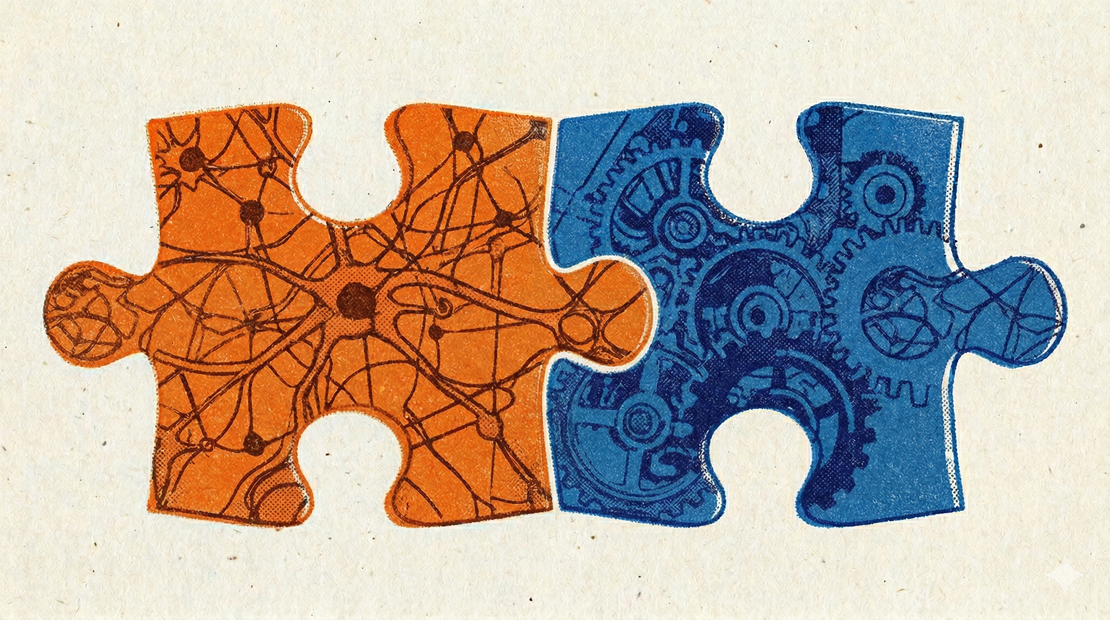
When we were designing our CRS for the DARPA AI Cyber Challenge, we quickly realized that scaling Jazzer alone wouldn’t be enough for Java vulnerability discovery. The hard vulnerabilities required structured, semantically meaningful inputs that random mutation couldn’t produce. So we built Gondar, a system that combines LLM agents with coverage-guided fuzzing, and it helped us win. After AIxCC, we wanted to put this to the test: how well does the approach hold up under rigorous, controlled evaluation? The resulting paper will be published at IEEE S&P ‘26. This post is about our journey and what we found along the way.
Patching Vulnerabilities with Coding Agents in 2026
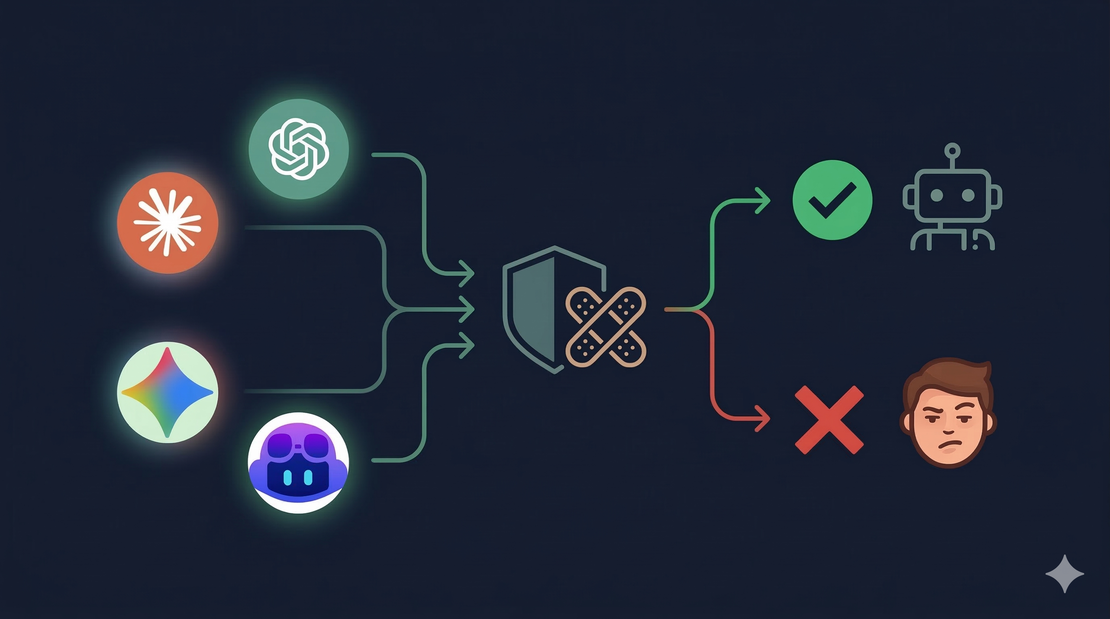
LLM-based patch generation has become a practical approach to fixing software vulnerabilities. Tools like Codex, Claude Code, and Gemini can read code, reason about bugs, and produce patches — often in seconds. But how well do they actually perform, in 2026? To find out, we (Team Atlanta folks at Georgia Tech) tested 10 agent configurations — combining four agent frameworks with five frontier models — on 63 real crashes from the DARPA AIxCC final competition.
Sinkpoint-focused Directed Fuzzing
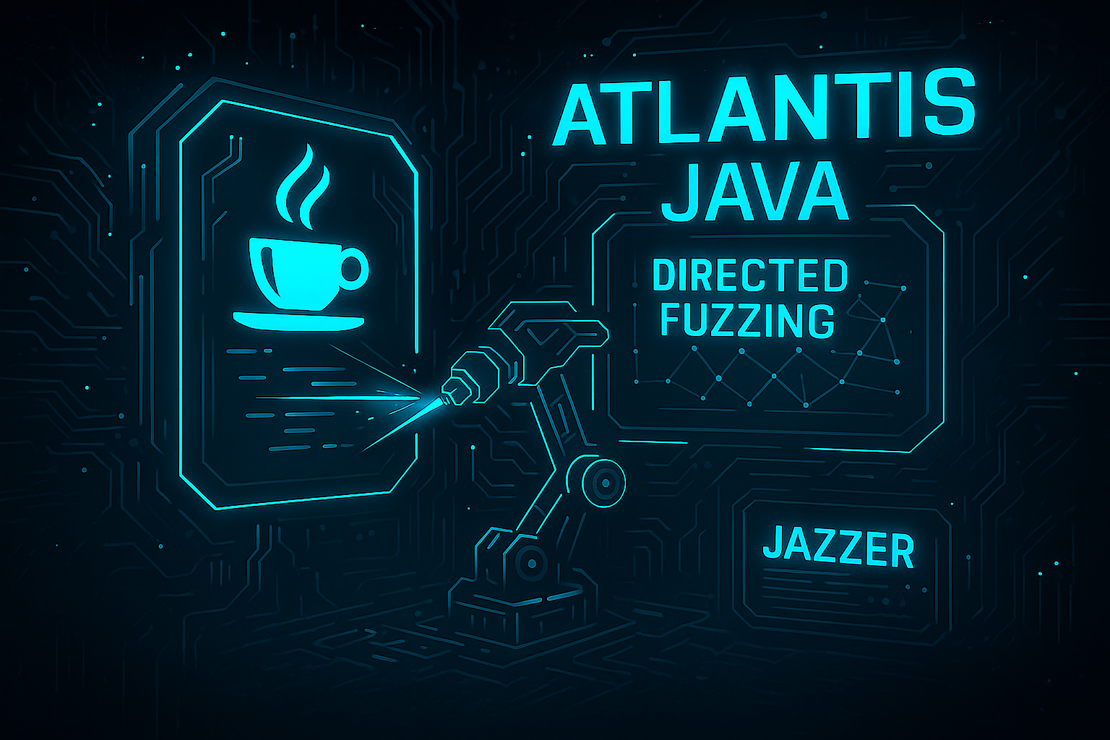
Traditional coverage-based fuzzers excel at code exploration. When testing Java code, however, most vulnerabilities require the invocation of a certain Java API, such as creating an SQL statement (java.sql.Statement) for an SQL injection bug. Thus, we target such security-critical APIs with our modified, directed Jazzer to reach and exploit critical code locations faster. This blog post gives an overview over our directed fuzzing setup for Java challenge problems. Calculating a distance metric for directed fuzzing requires static analysis to identify critical code locations (aka sinkpoints) and compute distances. This static analysis happens mostly offline, independent of the modified Jazzer, to reduce the computational overhead in the fuzzer. However, we still compute the CFG (and, thus, basic block-level distances) in Jazzer to maintain a precise distance metric and allow the update of seed distances during fuzzing.